Choose Your Destination
Iceland is divided into unique regions, each with its own character and attractions
🌊 South Coast
The South Coast is Iceland's most popular route and for good reason. This stunning stretch of coastline features some of the island's most iconic landmarks: the powerful Seljalandsfoss and Skógafoss waterfalls, the eerie beauty of Reynisfjara black sand beach, and the vast Vatnajökull glacier.
From glacier hiking and ice cave exploration to puffin watching at Dyrhólaey and exploring the Jökulsárlón glacier lagoon with its floating icebergs, the South Coast packs an incredible amount of natural wonder into a single route.
Best time: Year-round (ice caves: Nov-Mar)
Duration: 2-5 days recommended
🌏 Golden Circle
The Golden Circle is Iceland's most famous sightseeing route, a 300-kilometer loop that can be completed in a single day from Reykjavík. It encompasses three of Iceland's most celebrated natural attractions.
Þingvellir National Park, a UNESCO World Heritage Site where the North American and Eurasian tectonic plates visibly drift apart. The Geysir Geothermal Area, home to Strokkur which erupts every 5-10 minutes, shooting water up to 30 meters high. And Gullfoss, the majestic "Golden Waterfall" that cascades in two tiers into a 32-meter deep canyon.
On the eastern side of the loop sit the warm geothermal villages of Flúðir, home to the Secret Lagoon, and Hveragerði, gateway to the Reykjadalur hot river.
Best time: Year-round
Duration: 1 day (or 2 with extras)
🏙 Reykjavík
The world's northernmost capital is a vibrant hub of culture, cuisine, and nightlife. Despite its small size, Reykjavík punches well above its weight with a thriving arts scene, world-class restaurants, and a colorful downtown area perfect for walking.
Visit the iconic Hallgrímskirkja church, explore the Harpa concert hall, warm up in geothermal pools, and use the city as your base for Northern Lights tours, whale watching from the old harbor, and day trips to the Golden Circle, Snæfellsnes, or the South Coast.
Best time: Year-round
Duration: 2-3 days
⛰ Snæfellsnes Peninsula
Often called "Iceland in Miniature," the Snæfellsnes Peninsula offers an incredible diversity of landscapes compressed into a single peninsula. At its heart stands the mystical Snæfellsjökull glacier-capped volcano, famously featured in Jules Verne's "Journey to the Center of the Earth."
Explore the charming fishing villages of Arnarstapi and Hellnar, marvel at the perfectly symmetrical Kirkjufell mountain (one of Iceland's most photographed locations), walk along dramatic coastal cliffs, and discover lava fields, sea caves, and black pebble beaches.
Best time: May-September
Duration: 2-3 days
🐋 North Iceland
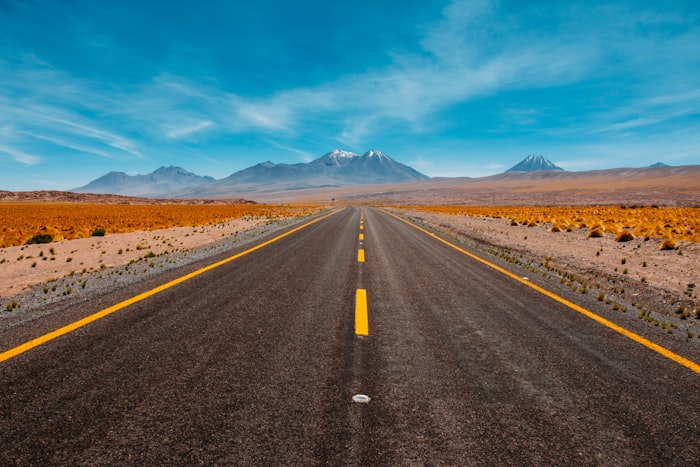
North Iceland is a paradise for nature lovers seeking a quieter, more authentic Icelandic experience. Akureyri, the "Capital of the North," serves as the gateway to some of the country's most remarkable landscapes.
Húsavík is known as Europe's whale watching capital, while the Mývatn area offers surreal volcanic landscapes, bubbling mud pools, and incredible geothermal baths. Don't miss Goðafoss, the "Waterfall of the Gods," and Dettifoss, Europe's most powerful waterfall. The Diamond Circle route is the North's answer to the Golden Circle.
Best time: June-August (accessible year-round)
Duration: 3-5 days
🏔 Westfjords
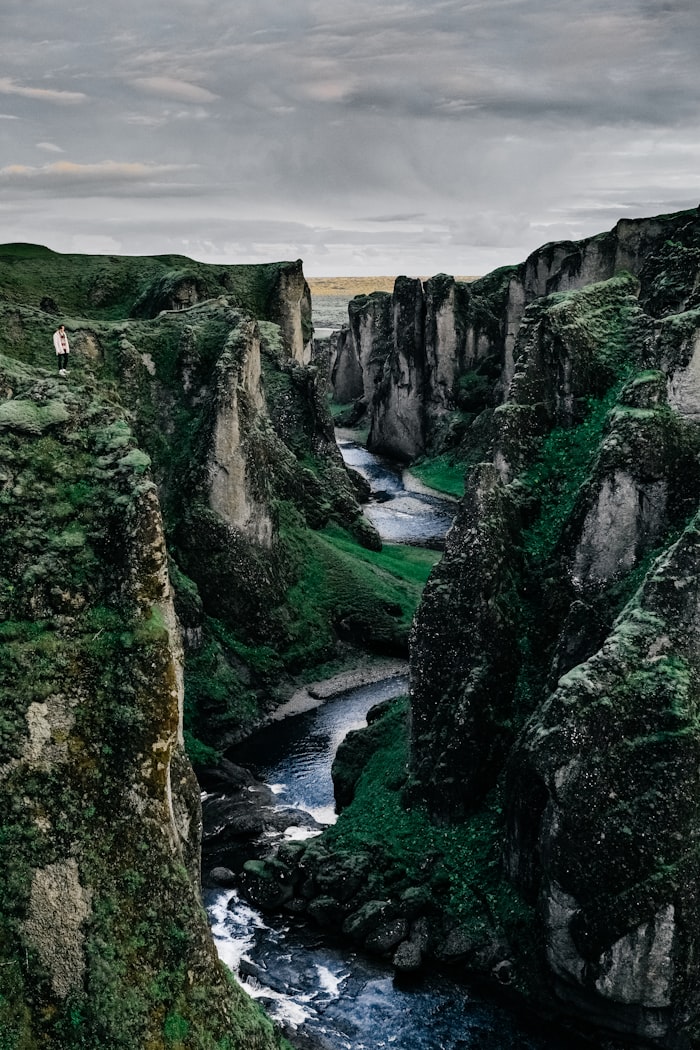
The Westfjords are Iceland's best-kept secret, a remote, rugged, and breathtakingly beautiful region visited by only about 10% of tourists. This is where you'll find Iceland at its most wild and untouched.
Dynjandi, a magnificent tiered waterfall, is often called the jewel of the Westfjords. The Hornstrandir Nature Reserve offers some of the best hiking in Iceland with Arctic fox sightings. The Latrabjarg cliffs, Europe's westernmost point, are home to millions of seabirds including puffins. Dramatic fjords, hot springs, and a palpable sense of remoteness make this a truly special destination.
Best time: June-August (roads may be closed in winter)
Duration: 4-7 days
🌄 East Iceland
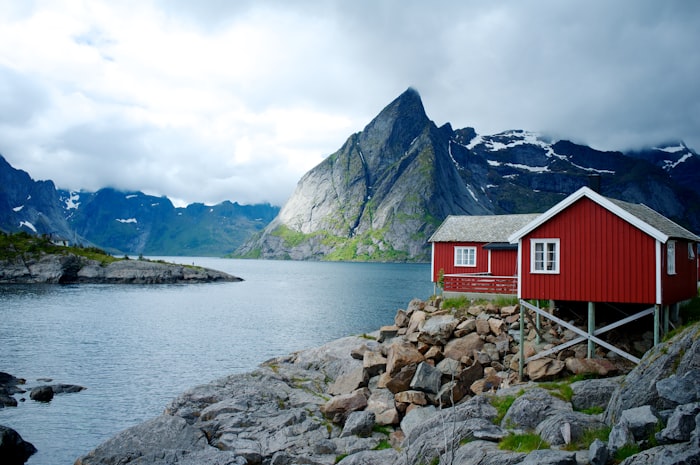
East Iceland is a region of stunning contrasts: deep fjords, colorful villages, reindeer herds, and Iceland's largest forest. This often-overlooked area rewards those willing to venture off the beaten path.
Seyðisfjörður, with its rainbow-painted street and artistic community, is one of Iceland's most charming towns. The region offers spectacular hiking in Borgarfjörður eystri (one of the country's best puffin viewing spots), scenic drives through narrow fjords, and a tranquil atmosphere far from the tourist crowds.
That deep quiet makes the East a natural home for a creative retreat, with space to write, paint or photograph and warm geothermal water at the end of each day.
Best time: June-September
Duration: 2-4 days
🌋 The Highlands
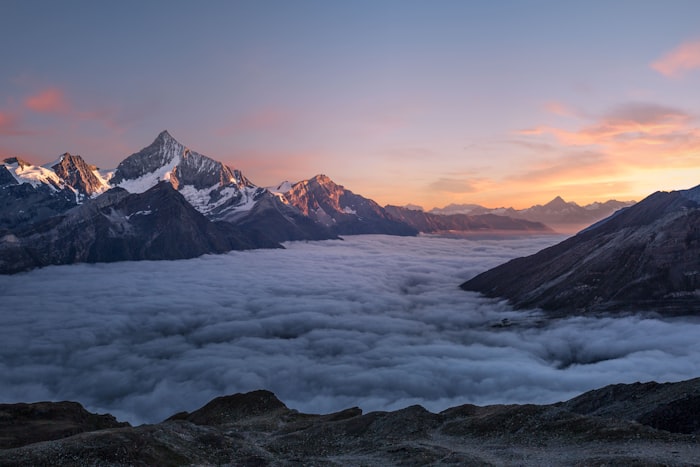
Iceland's interior highlands are an otherworldly landscape of colorful rhyolite mountains, vast lava deserts, glacial rivers, and steaming hot springs. Accessible only in summer and requiring 4x4 vehicles, the Highlands offer Iceland's most dramatic scenery.
Landmannalaugar is the crown jewel, with its rainbow-colored mountains and natural hot springs. The Laugavegur Trek, connecting Landmannalaugar to Þórsmörk, is one of the world's most famous multi-day hikes. Askja caldera, with its milky-blue lake, feels like standing on another planet entirely.
Best time: July-September only
Duration: 3-7 days